5 scenarios where Sylius outperforms off-the-shelf e-commerce platforms (SaaS)
When is migrating to Sylius profitable? Explore 5 business cases (B2B, multi-vendor marketplace) where Sylius outperforms SaaS and eliminates vendor lock-in.
Sylius is a Symfony-based open-source e-commerce framework designed for custom, high-performance implementations. Unlike SaaS (Software as a Service) platforms which act like "prefabricated houses" (easy to assemble but hard to modify), Sylius allows you to architect any structure: from complex B2B ecosystems to enterprise-grade marketplaces. It is developer-centric, offering unlimited flexibility and full code ownership.
Expert insight: What is Sylius?
When to choose Sylius over SaaS? Executive summary
Tech Leads often ask this question when their current off-the-shelf system hits a ceiling of performance and extensibility. If your business has reached a stage where third-party plugins are more of a hindrance than a help, it is time to consider migration.
Sylius is the right choice if:
Your checkout process is non-standard. You require multi-cart support, split payments, or advanced product configurators.
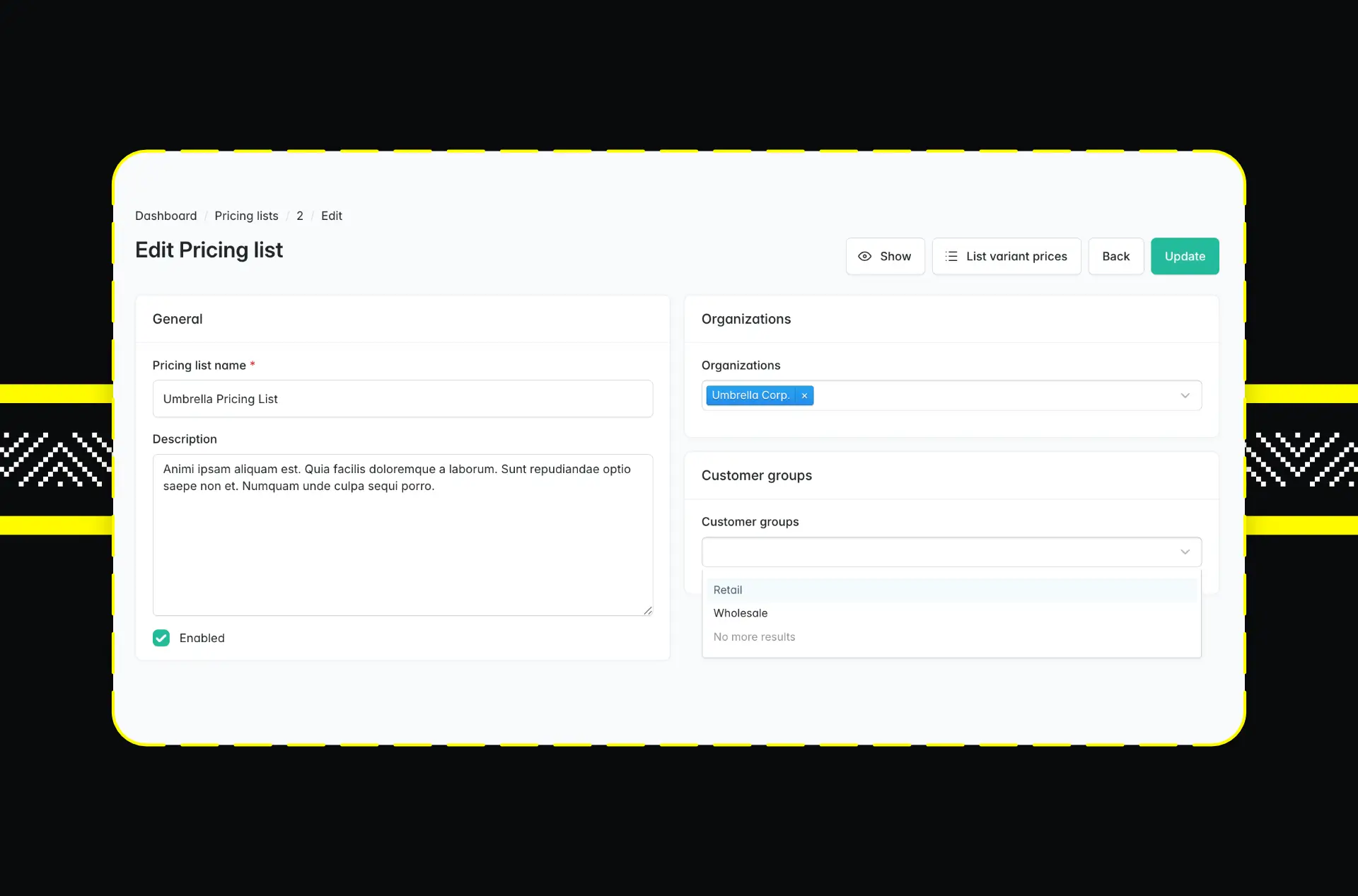
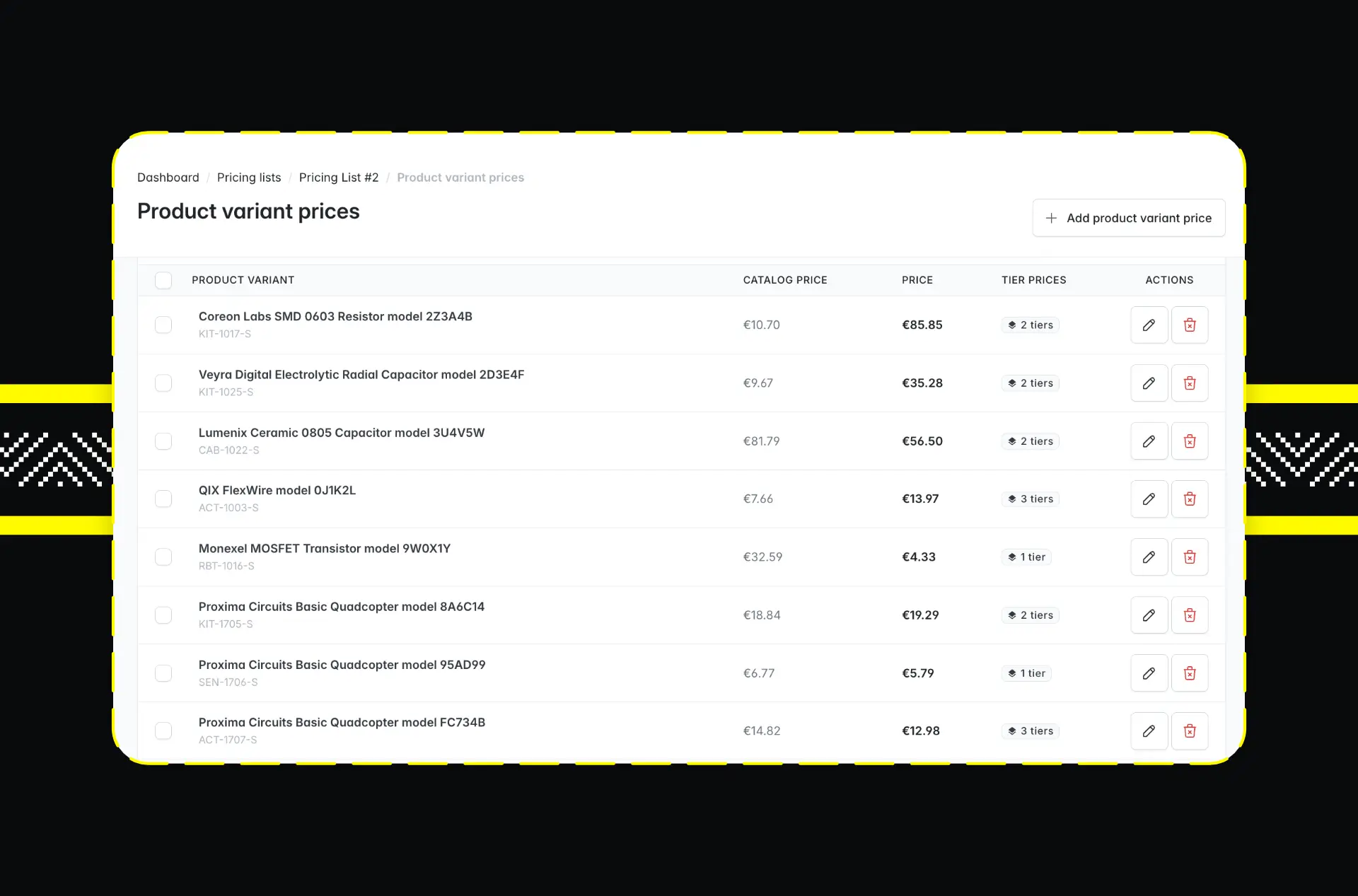
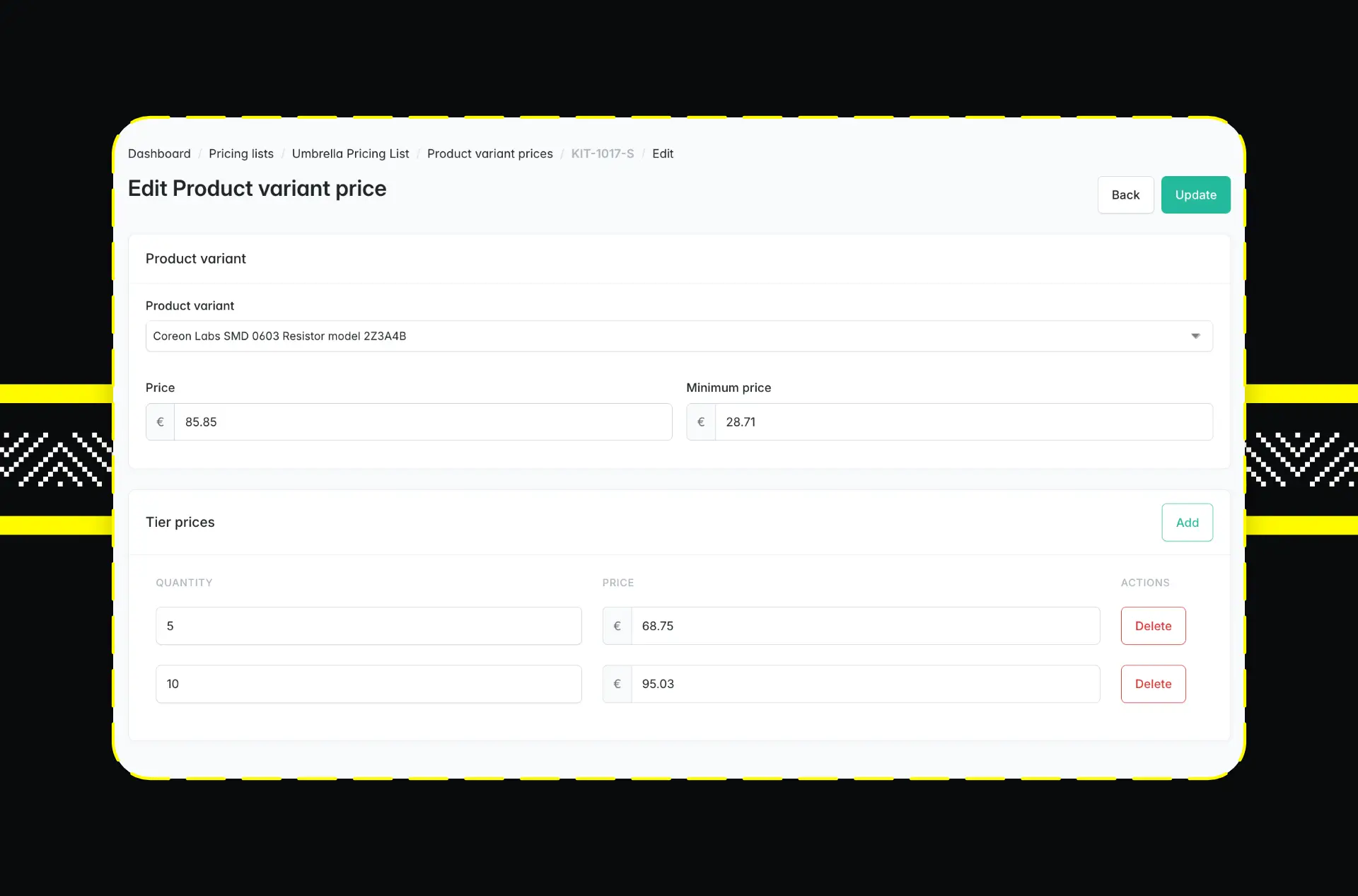
You operate in the B2B sector. You need customer-specific pricing (price lists) and multi-level order approval workflows.
You are building a multi-vendor marketplace. You require complex commission logic and independent vendor management.
Your logistics are complex. You manage multiple warehouses, dropshipping partners, and varying lead times within a single order.
You want to eliminate vendor lock-in. You require full code ownership and total control over your data and infrastructure.
1. Non-standard checkout & custom order flow
In classic B2C e-commerce, the path is linear: Cart → Data → Payment → Shipping. SaaS platforms are hard-wired for this universal scheme. When your business logic defies these boundaries, customizing a SaaS core becomes a high-risk, high-cost technical debt.
Solution – Sylius as a configurable event-driven workflow
Sylius treats the checkout process as a fully customizable state machine. This allows for implementing advanced logic:
Split shipping. A single order with items shipped to different addresses or at different times.
Hybrid logistics. Real-time synchronization between in-house warehouses and dropshipping partners.
Click & Collect. Real-time inventory verification across physical retail points.
Product configurators. Dynamic pricing and attribute calculation for bespoke products (e.g., custom furniture).
Order approval workflows. Mandatory verification by a consultant or license check (e.g., pharmaceutical or excise goods) before payment.
Thanks to its modular architecture, you can naturally extend the system's core logic without hacking the framework. This makes Sylius an ideal choice for:
Advanced B2C storefronts with extensive product catalogs and high traffic volumes.
D2C (Direct-to-Consumer) brands operating across multiple sales channels.
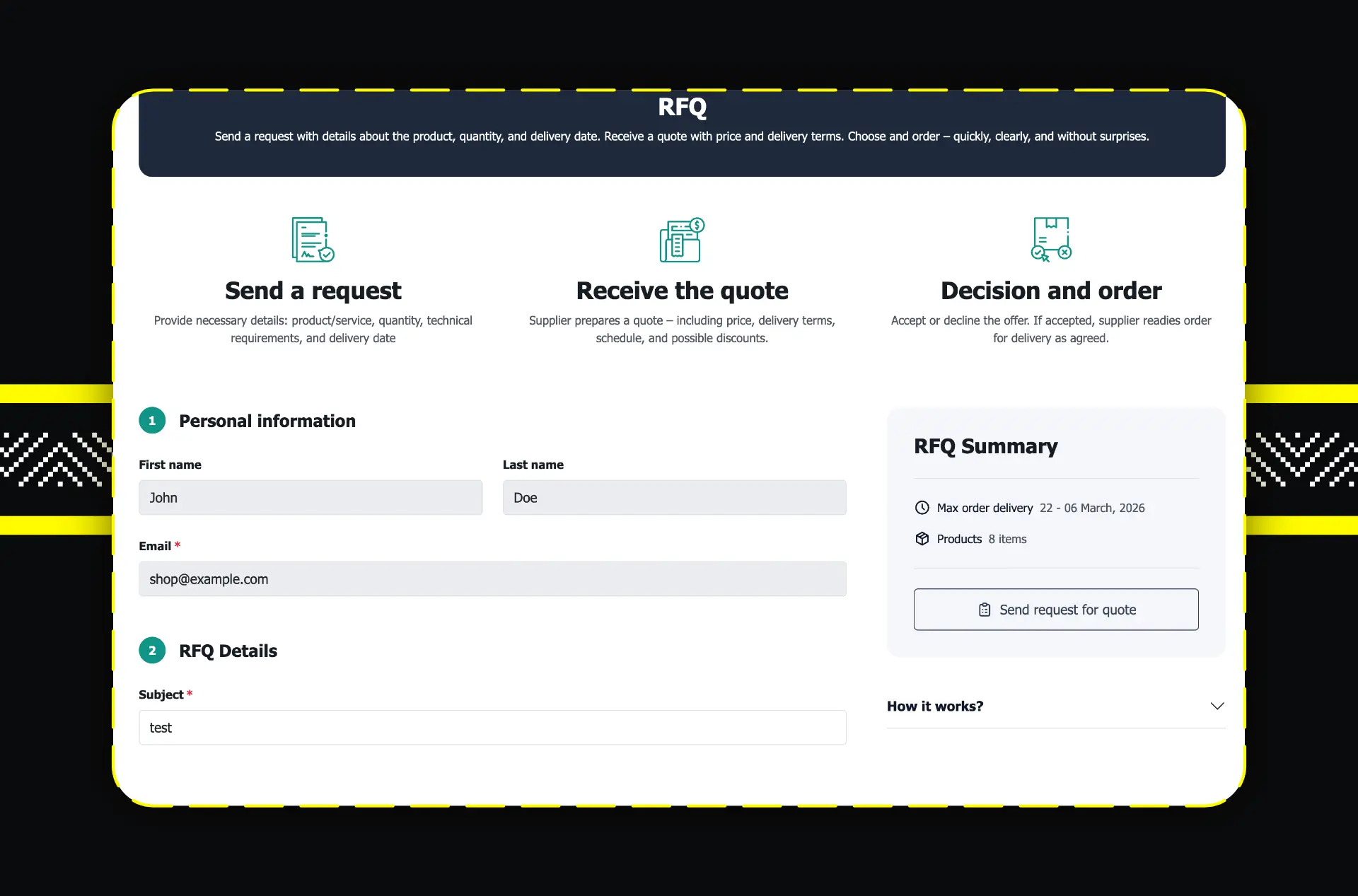
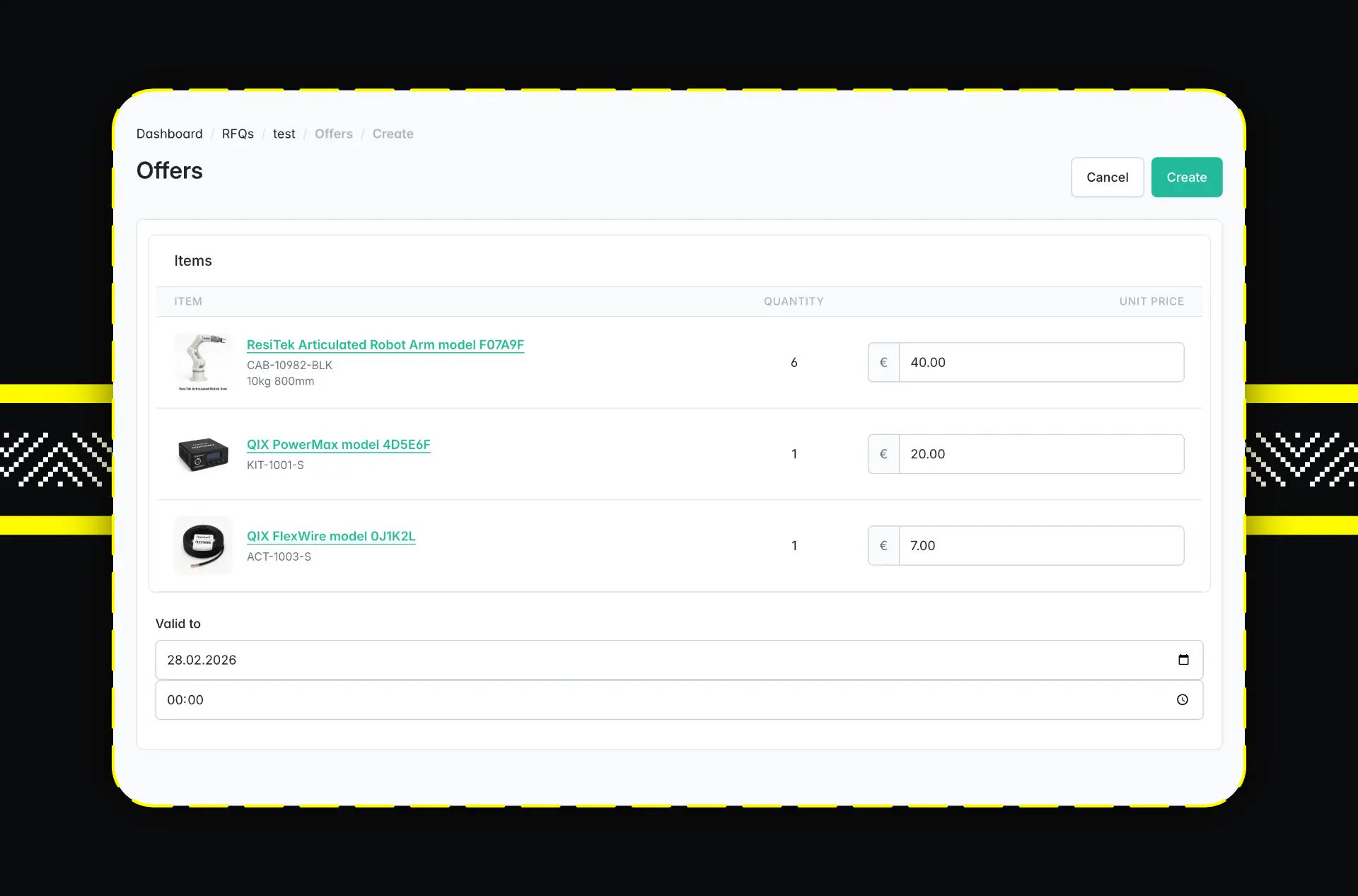
B2B e-commerce portals requiring bespoke purchasing conditions, price negotiations (RFQ), and complex order approval hierarchies.
Platforms with multi-stage order logic, where decision-making processes or custom state machine workflows are business-critical.
2. B2B e-commerce & complex business rules
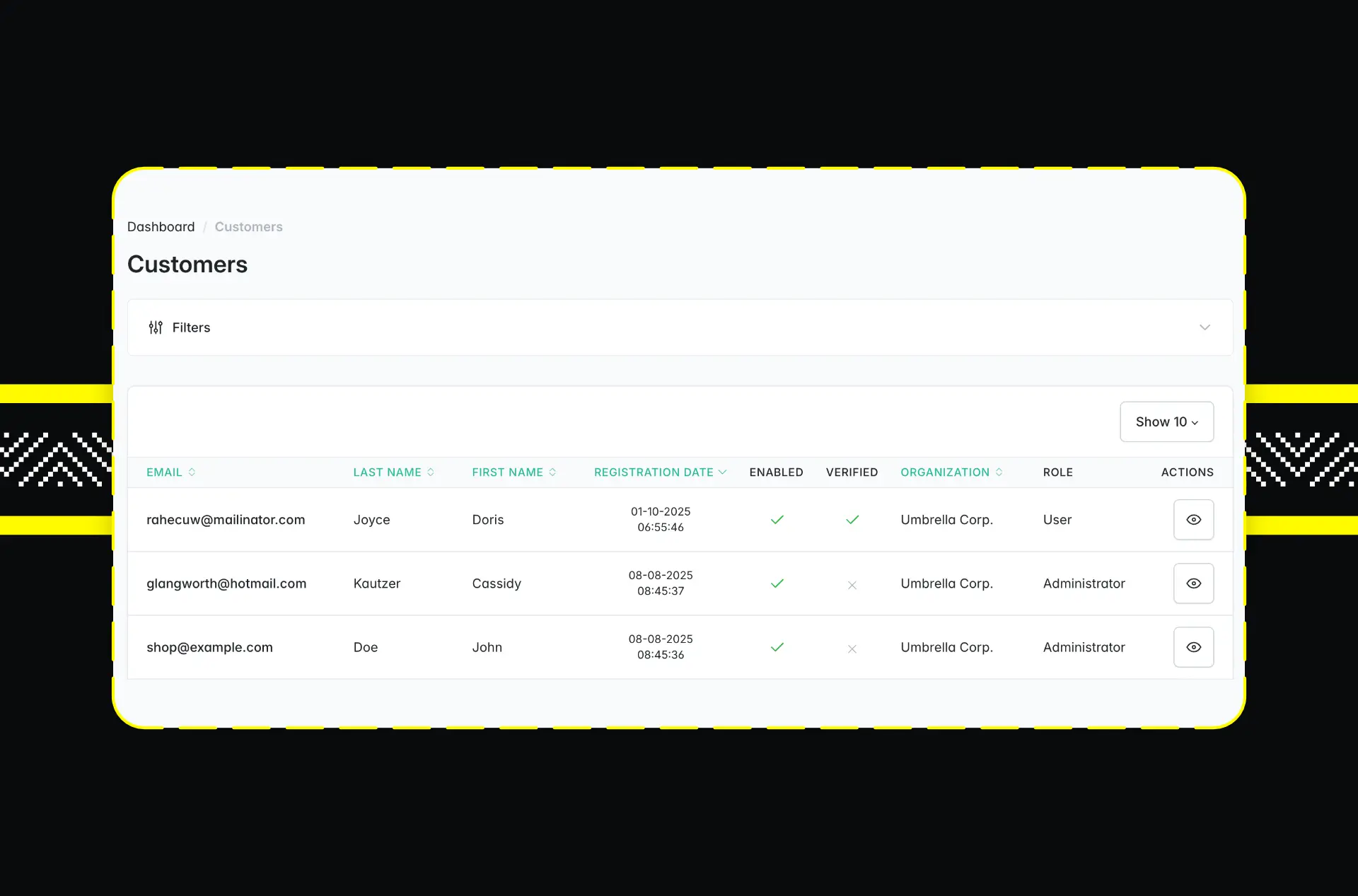
In B2B, the focus is on operational efficiency, not impulse buying. Your partners need quick re-ordering via SKU, bulk CSV imports, or corporate credit limits. Many SaaS platforms attempt to cover B2B by "patching" B2C features, which results in a poor user experience for purchasing managers.
B2B features in the Sylius ecosystem
Instead of forcing a retail template, Sylius allows you to build a dedicated customer portal. Key enterprise features include:
Customer-specific pricing. Prices and discounts tailored to specific contract groups.
Corporate account hierarchy. Managing multiple employees, roles, and budget limits within a single organization.
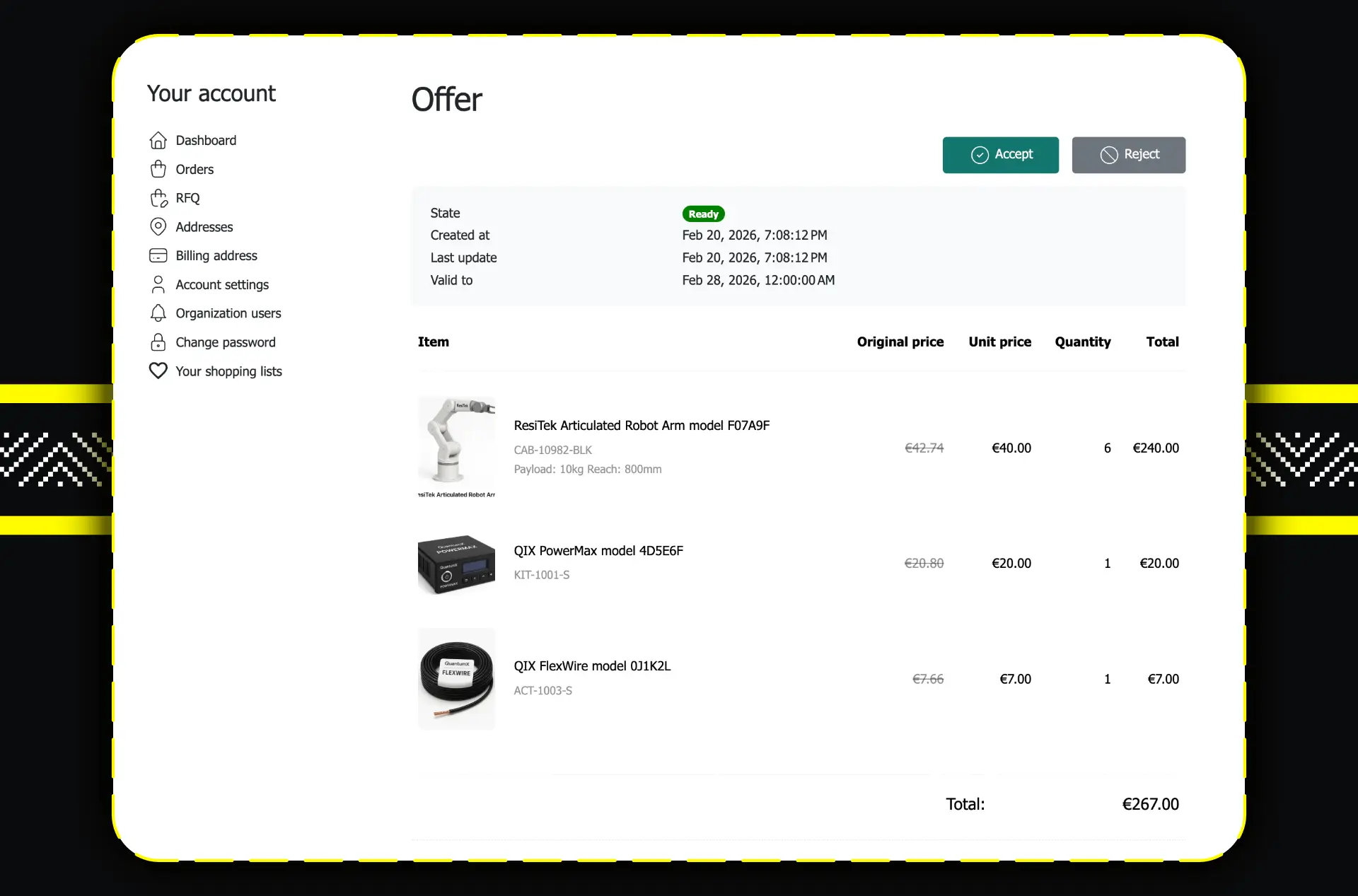
Order authorization workflow. A "request-to-rrder" process where a manager must approve a junior buyer's cart.
Real-time ERP integration: Seamless sync with ERP for stock, invoices, and credit limits.
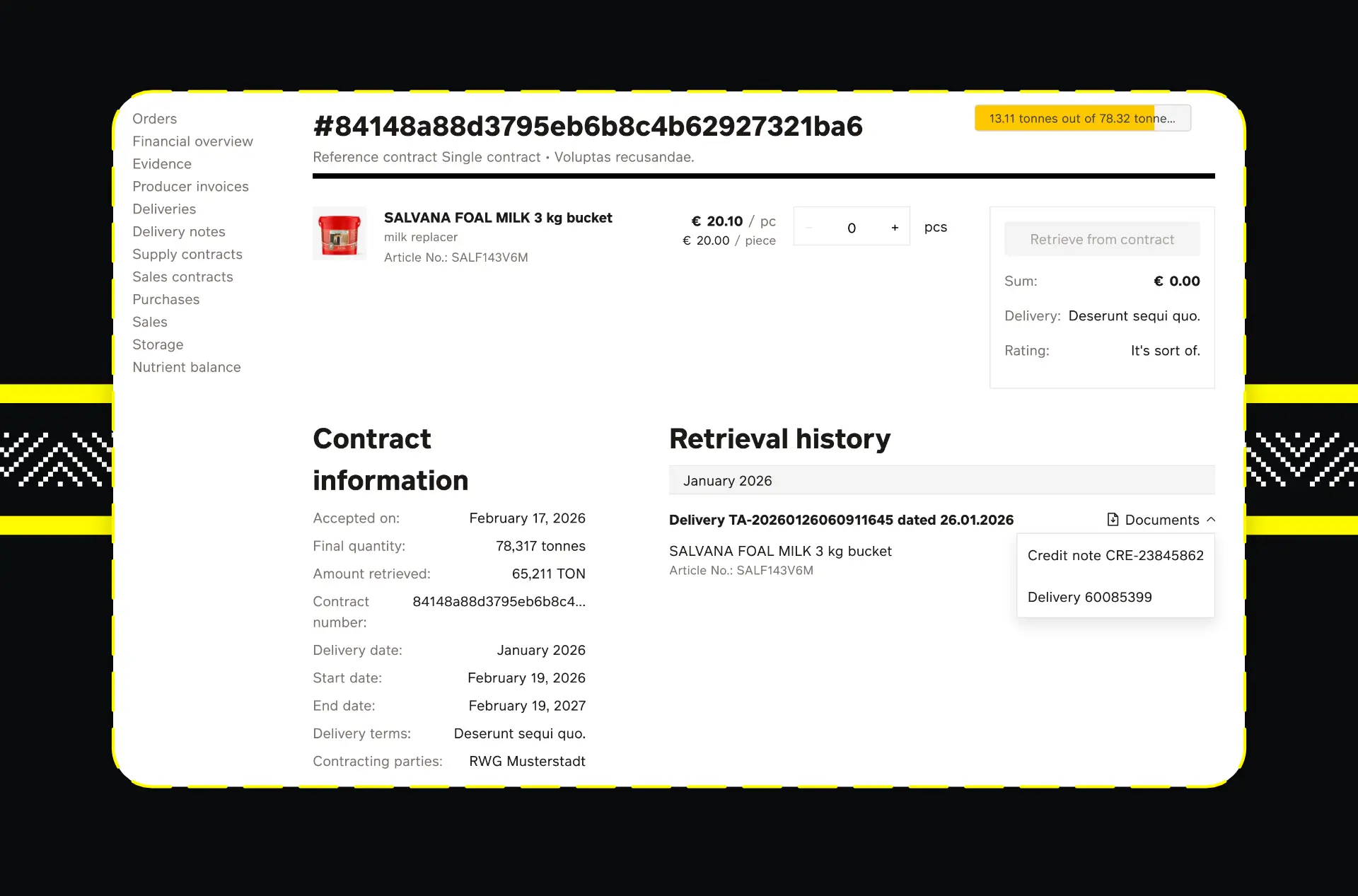
You can leverage foundational components like the Sylius B2B Suite (a Sylius Plus module) or implementation accelerators such as Elesto to significantly accelerate your project's speed to market.
Elesto – a B2B implementation accelerator based on Sylius Plus
3. Multi-vendor marketplace model
When planning a platform that connects multiple sellers, your role shifts: you become an ecosystem operator, not just a store owner. Attempting to build a marketplace on a standard SaaS platform often leads to a fast collision with a "scalability wall" in terms of performance and complex settlement logic.
Three pillars of a marketplace that "off-the-shelf" systems can't handle:
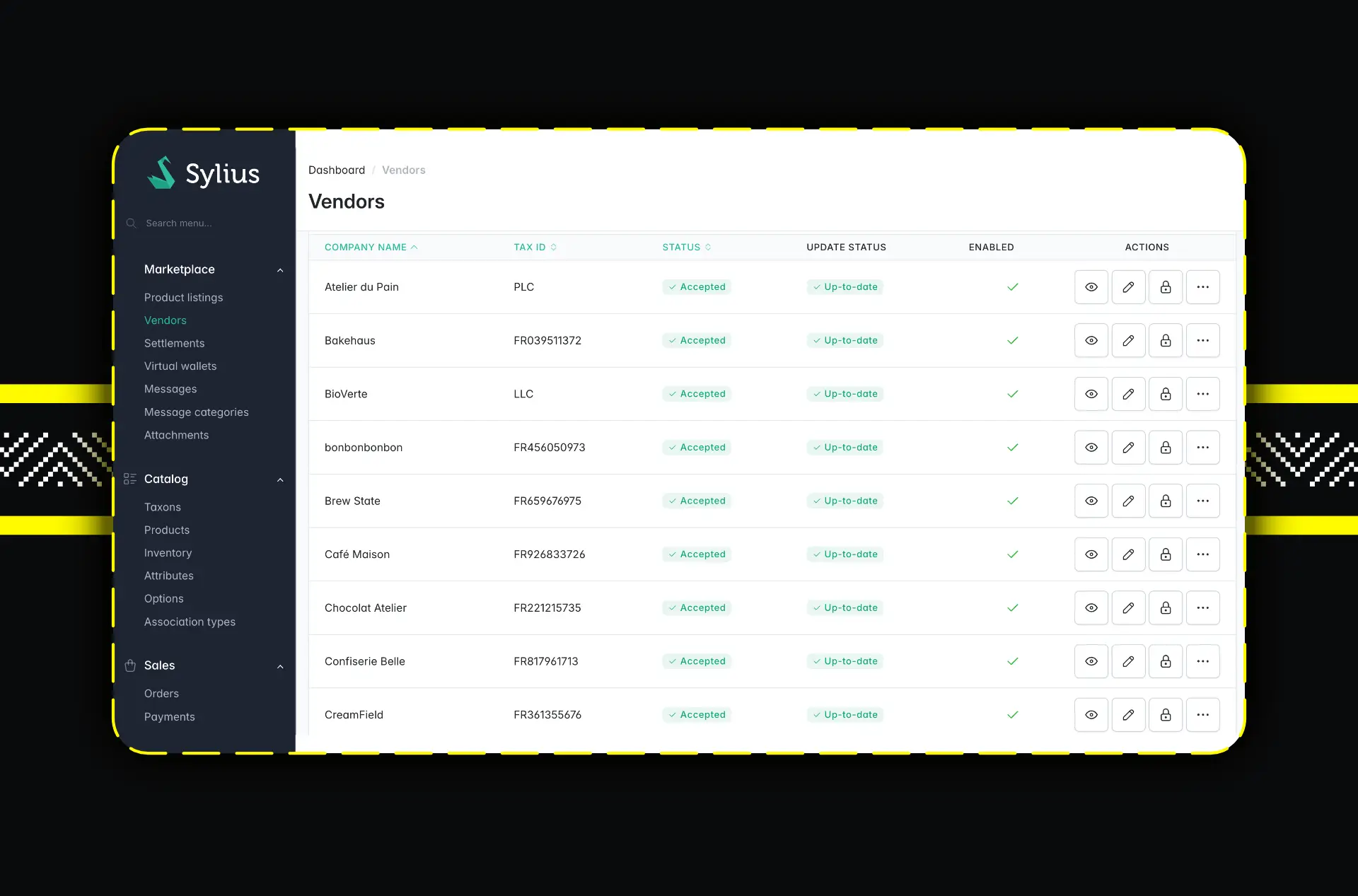
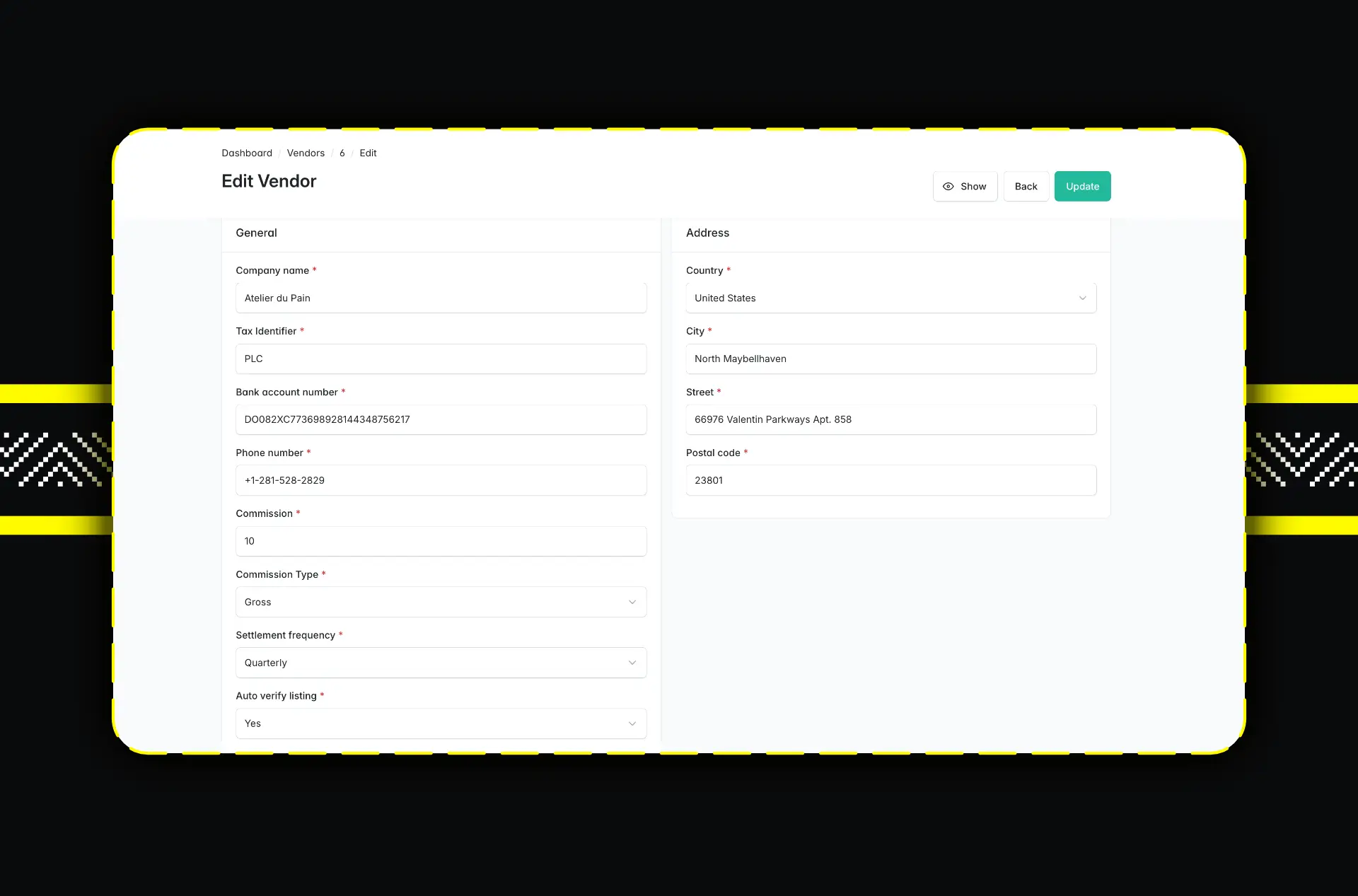
Vendor Autonomy. Dedicated vendor portals where partners manage their own inventory, shipping methods, and returns without accessing the global admin panel.
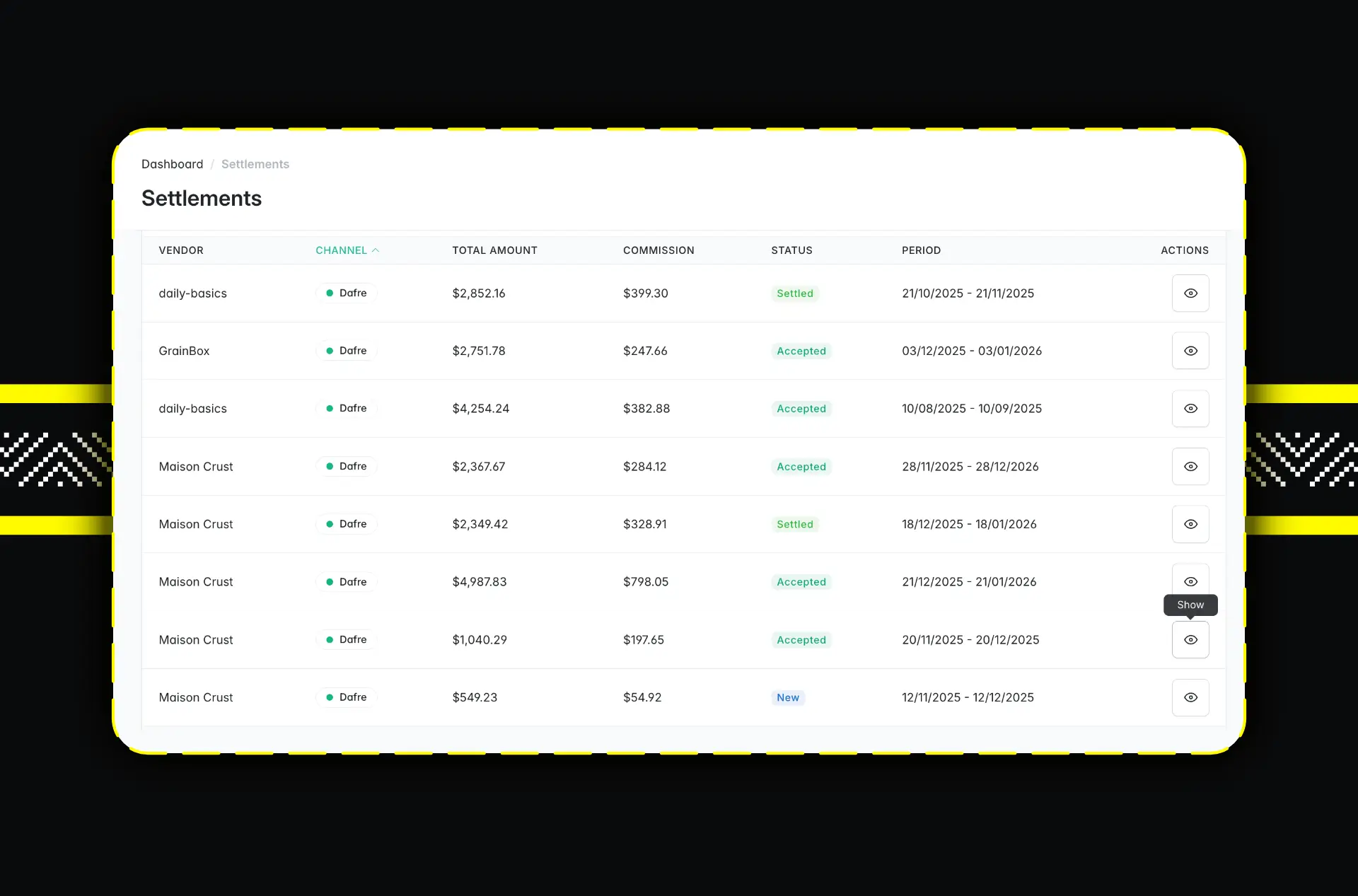
Split payments. Automated fund distribution between vendors and the operator (including commission handling) via Stripe Connect or Adyen, compliant with PSD2.
Global catalog management: Handling the same SKU offered by multiple vendors at different price points.
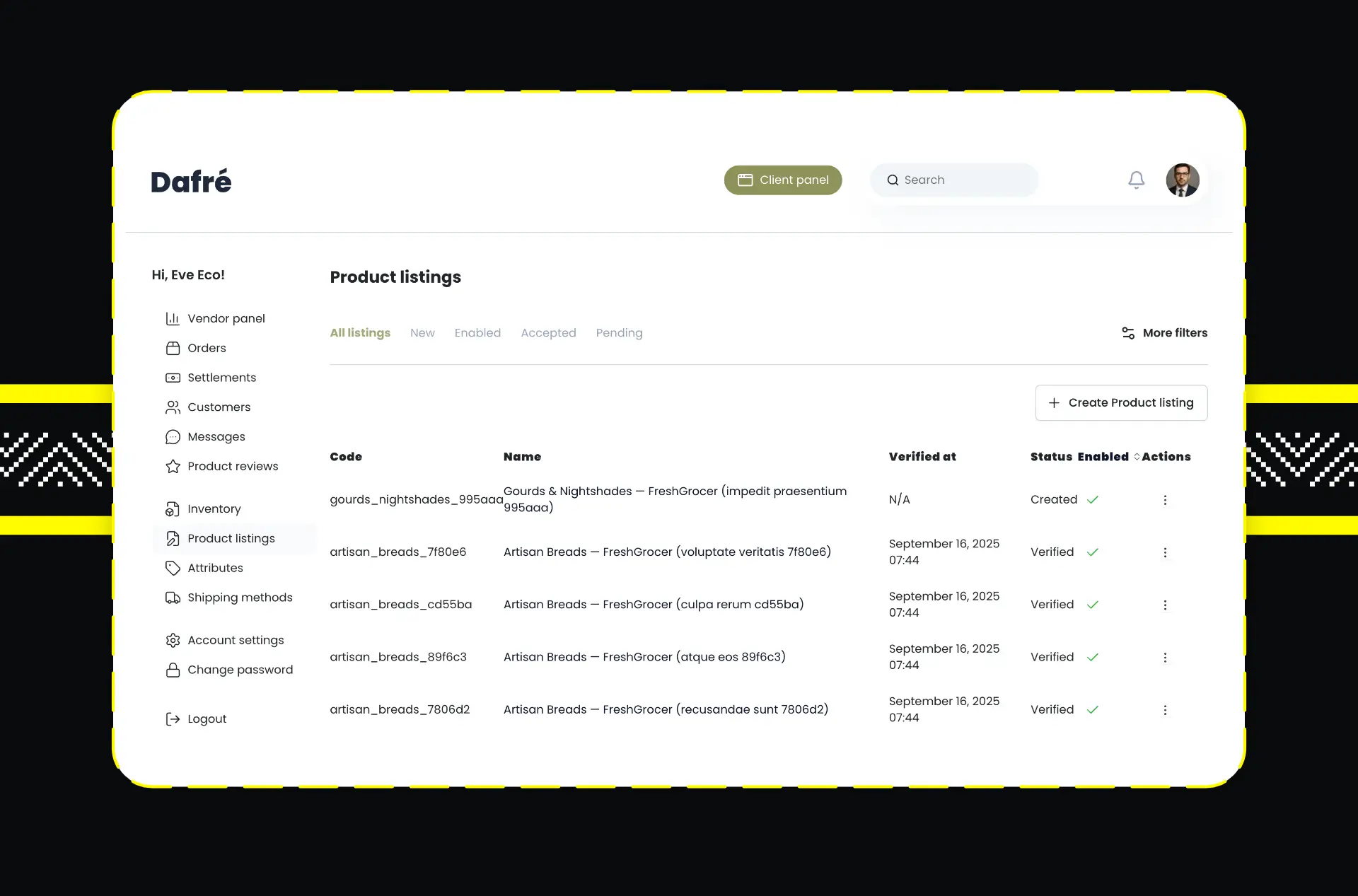
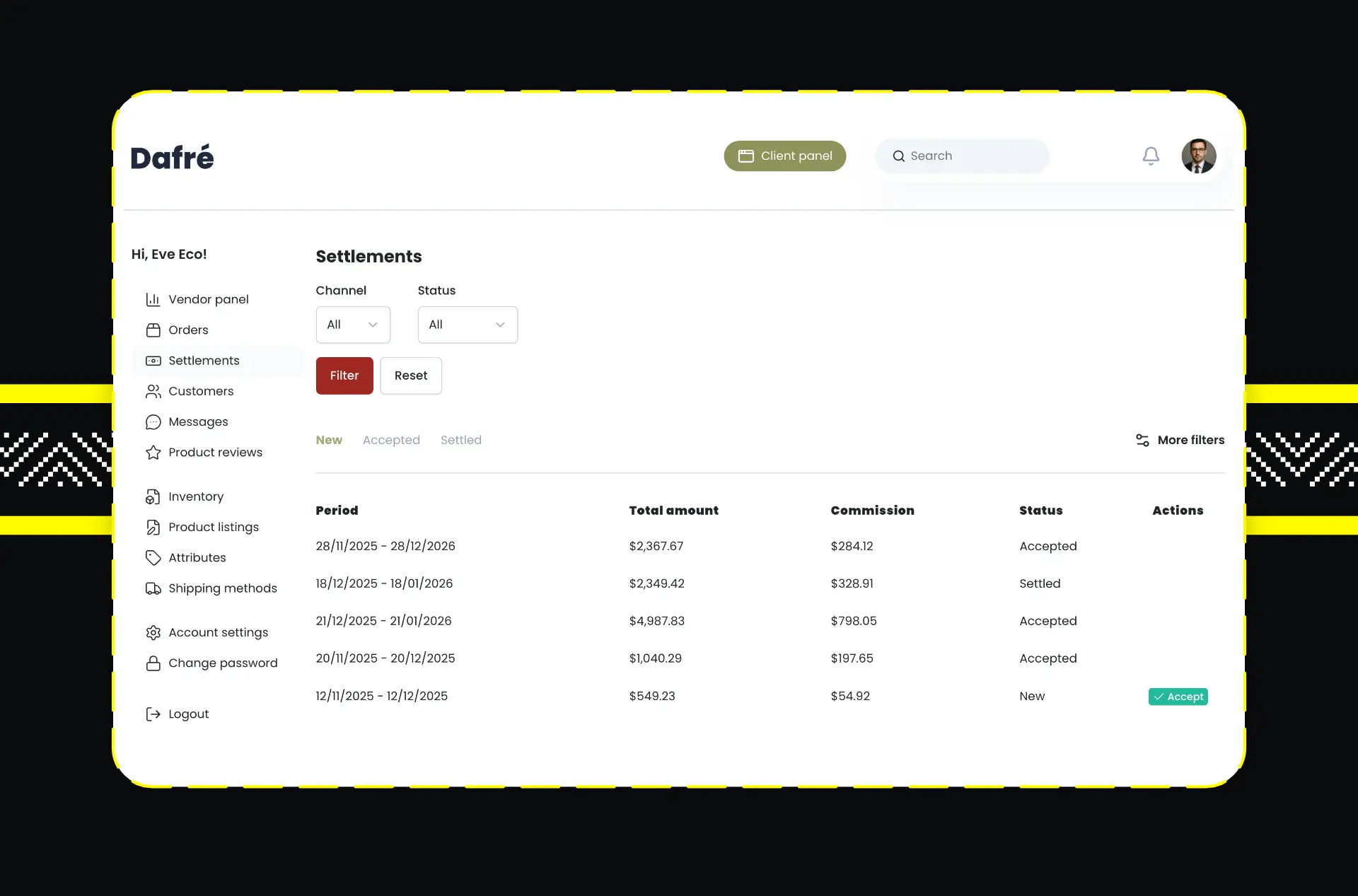
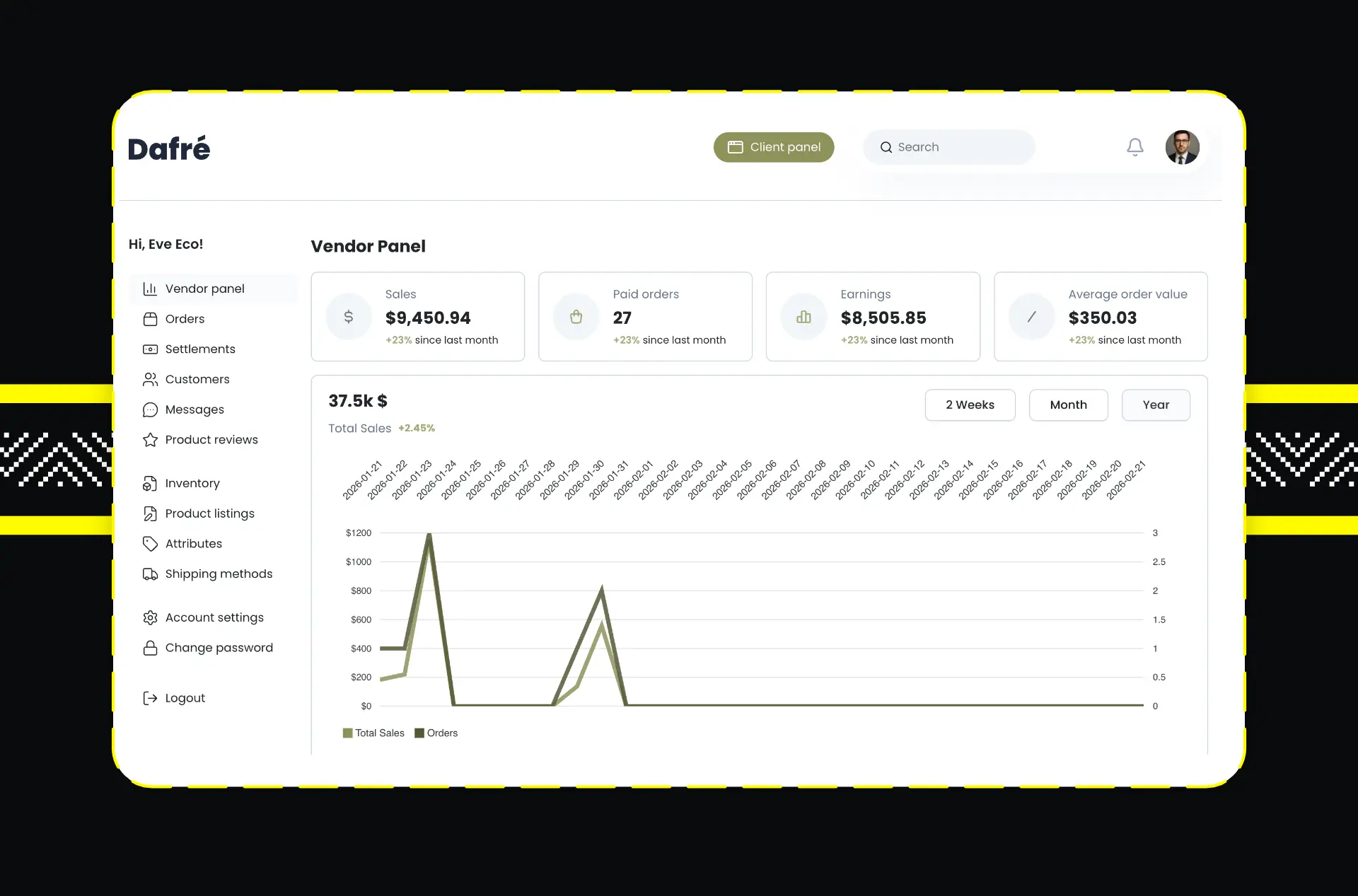
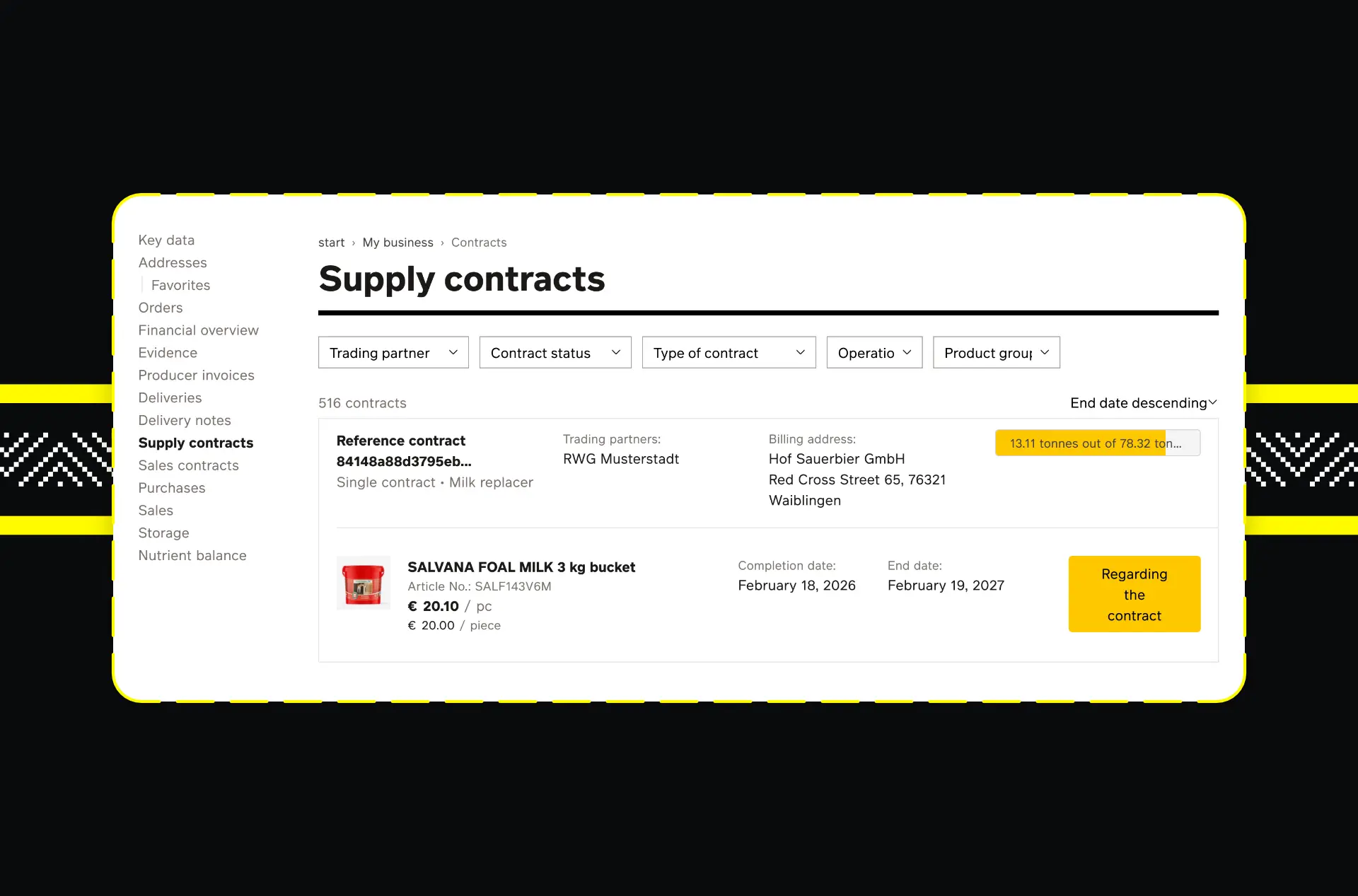
Within the Sylius ecosystem, you don't have to start from scratch. You can leverage proven, enterprise-grade solutions. Modules such as the Sylius Marketplace Suite or the Dafre deployment accelerator provide the core marketplace functionalities, which can then be tailored to your specific business model.
Dafre – a marketplace implementation accelerator based on Sylius Plus
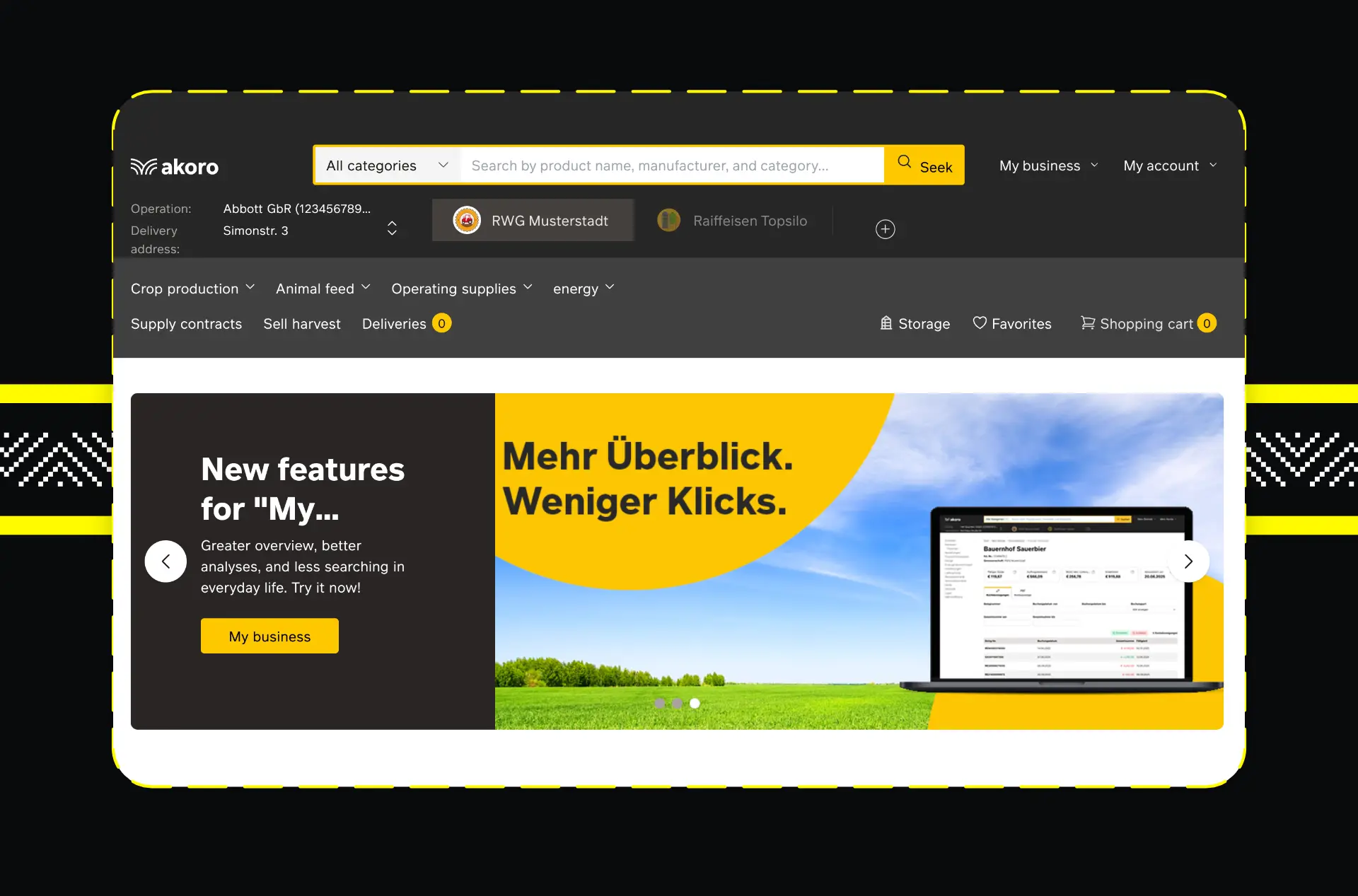
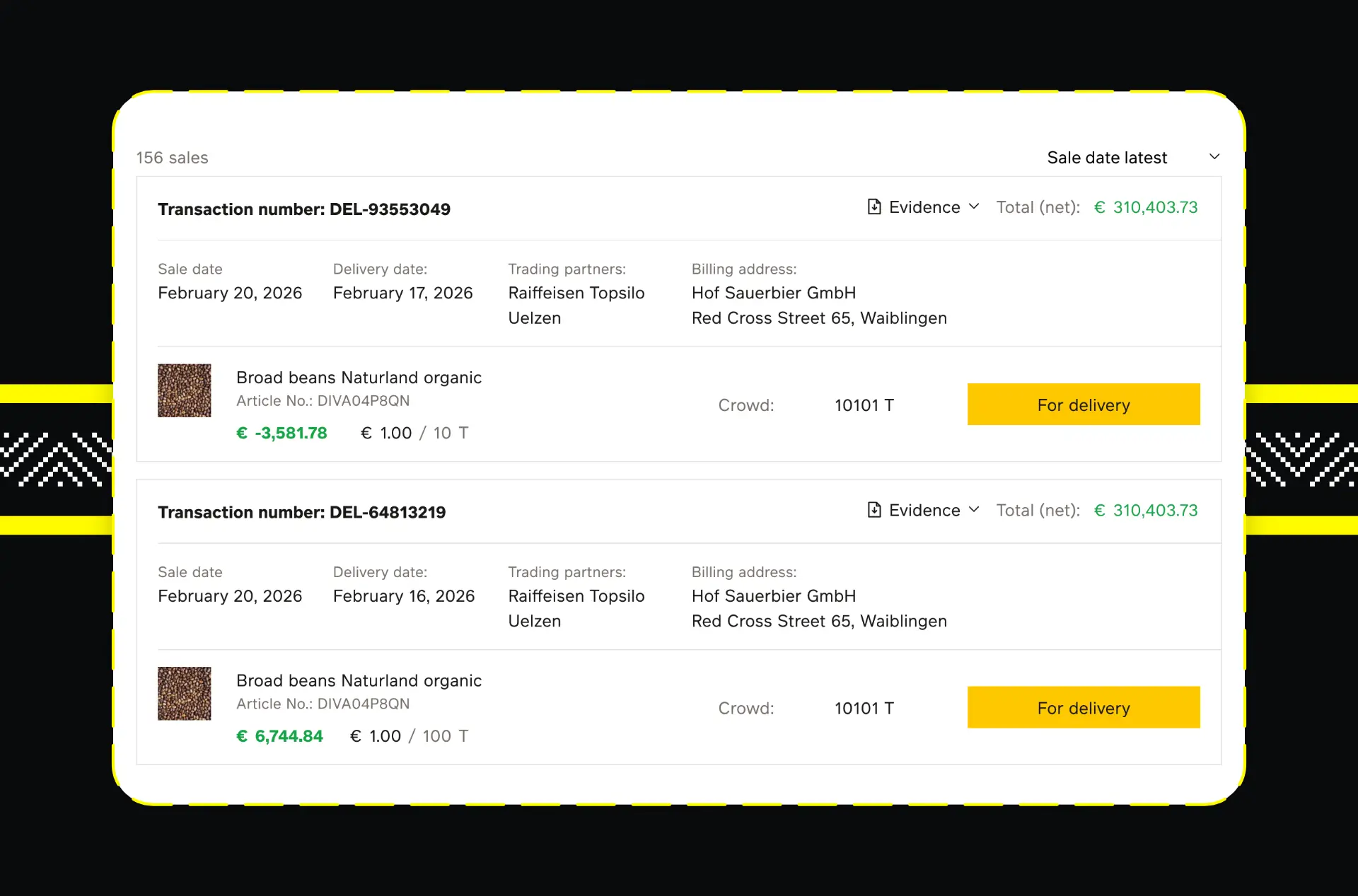
From our portfolio: at Commerce Weavers, we developed and scaled a complex B2B marketplace system for agricultural cooperatives in Germany – Raiffeisen Networld. The inherent flexibility of Sylius allowed us to accurately map the intricate dependencies and hierarchical structures between local suppliers and the central headquarters.
Akoro – a marketplace for farmers by Raiffeisen Networld
4. When SaaS fees erase your margins
Many SaaS business models include a "success tax". As your revenue grows, so do the costs.
Transaction fees. Many SaaS providers charge 1-2% on turnover for using external payment gateways.
App subscription fatigue. To get enterprise features, you must stack paid plugins that increase TCO.
Technical debt. Developers spend time "fighting the system" to bypass SaaS limitations instead of building value.
In the SaaS model, you are essentially paying "technology rent". In contrast, with Sylius, every dollar/euro invested in code development builds your own intellectual property and increases your company's long-term valuation.
5. Logistics beyond the standard
While SaaS usually sees one central warehouse, Sylius’s inventory management is decoupled from the product. This enables:
Multi-source Inventory. Managing multiple locations and lead times.
Intelligent order routing. Automatically assigning orders to the warehouse closest to the customer.
Dimensional Shipping Rates. Calculating costs based on weight, volume, or real-time carrier API data.
Comparison: Sylius vs. SaaS/standard platforms
Feature
Off-the-shelf platform SaaS / WooCommerce
Dedicated framework Sylius
Time-to-market (MVP)
Very fast weeks
Moderate months
Initial investment
Low
Higher (custom development)
Process flexibility
Low (template-based)
Unlimited (bespoke logic)
Scalability costs
High (revenue-based commissions, subscriptions)
Low (No "success tax" or turnover fees)
Code ownership
None (software lease / license)
Full (open source / your IP)
Ideal for
Simple B2C, standard retail stores
B2B, marketplaces, enterprise B2C
Choosing Sylius is more than just a platform change. It’s a shift in philosophy. You move from being a "passenger" dependent on a software provider to being the "driver" of your technology. This transition is essential when your business requirements outpace the capabilities of off-the-shelf plugins, when you plan to expand into niche markets, or when you want to build company value based on proprietary technology.
The market is shifting towards composable commerce, and Sylius is perfectly positioned for this trend with its robust, built-in API. This means your store can seamlessly "communicate" with mobile apps, POS systems, or modern frontends like Next.js or Vue Storefront. You are no longer locked into a single "template" forever.
At Commerce Weavers, we specialize in "special missions" and complex e-commerce engineering. Schedule a free consultation to find out if the Symfony-based framework is the right strategic direction for your business.
At Commerce Weavers, we specialize in "special missions" and complex e-commerce engineering. Schedule a free consultation to find out if the Symfony-based framework is the right strategic direction for your business.
FAQ Section
Is Sylius better than Shopify?
Sylius outperforms Shopify for businesses with complex business logic (B2B, marketplaces) and high-volume sales, offering 0% transaction fees and full source code access. Shopify remains better for standard retail shops requiring a 48-hour launch.
What is vendor lock-in in e-commerce?
Vendor lock-in is a dependency on a single software provider that makes it nearly impossible to migrate without losing data or functionality. Sylius, being open source, eliminates this risk.
Does Sylius support multi-vendor marketplaces?
Yes, Sylius offers dedicated extensions (such as the Sylius Marketplace Suite) that enable a full multi-vendor model. This includes robust vendor account isolation, independent vendor management dashboards, and automated split payment processing.