The key question is not only “How do we upgrade to Sylius 2?” but “Is the upgrade the right business and technical decision for this specific e-commerce platform?”.
Start with the First Question. Is an Upgrade Needed at All?
Migrating to a new platform version should not be treated as a goal in itself. Many teams approach an upgrade as the natural consequence of a new system version being released. In practice, every migration involves cost, risk and engineering capacity.
That is why the first step should not be planning the scope of work. It should be assessing whether Sylius is still the best solution for the organization.
In some cases, the answer will be yes. In others, it may turn out that moving to another solution, or even changing the technology strategy entirely, would be more cost-effective.
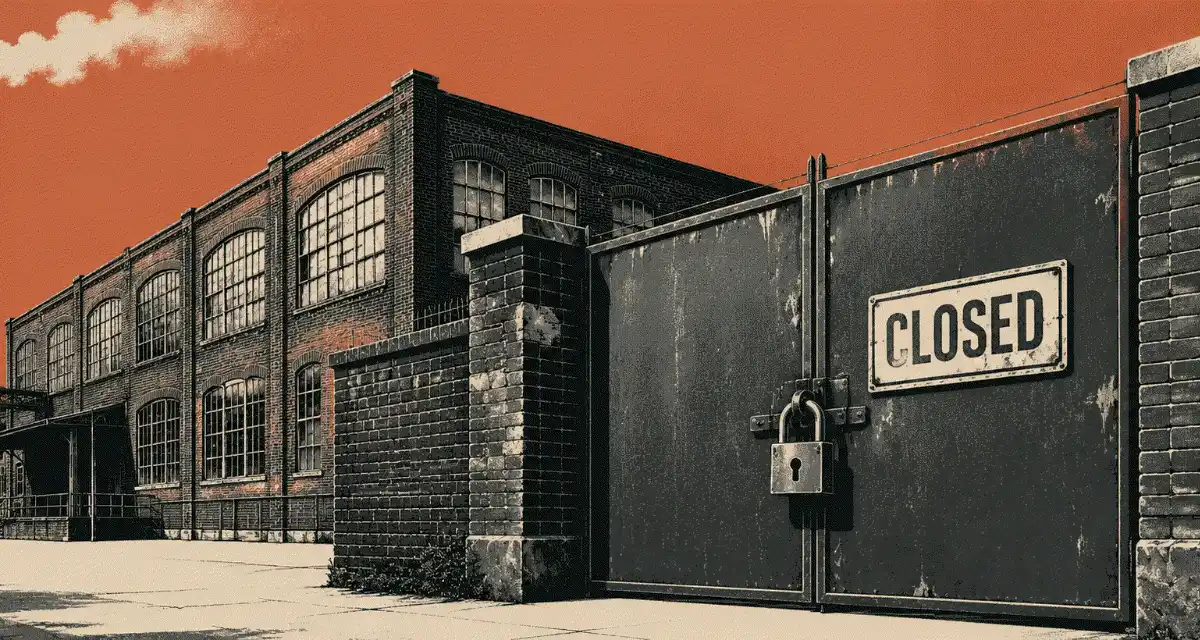
When Might a Sylius 2 Upgrade Not Make Sense?
You plan to close the business or replace the platform entirely within the next two years
If the organization already knows that it plans to replace the platform entirely or shut down the project within the next several or dozen months, investing in a major upgrade may be difficult to justify from a business perspective.
A Sylius 2 migration should be assessed in the context of long-term platform development plans. If the company does not plan to keep developing the current solution, the business case for such an investment requires careful analysis.
Your business has become simpler than originally expected
This happens more often than it may seem.
Over time, it may become clear that the business requirements are less complex than assumed at the beginning of the project. At the same time, SaaS platforms such as Shopify and similar solutions have significantly expanded their capabilities and now offer a broader set of out-of-the-box features.
In this scenario, it is worth calculating the total cost of ownership of the current solution and comparing it with alternatives available on the market. However, it is also important to remember that using SaaS platforms means paying for functionality that the company may only use in part.
This does not automatically mean that migrating to SaaS will be the better choice. It means that, before making the decision, the organization should run a reliable TCO (Total Cost of Ownership) analysis and verify whether the current platform is still the best fit for the business.
You are running a very old version of Sylius
In some projects, a restart may be more cost-effective than a multi-stage migration. If the platform is running on a very old Sylius version, for example below 1.10 or 1.8, it is worth comparing the cost of upgrading with the cost of building a new solution from scratch.
There is no universal answer here. It depends on business requirements, feature scope, accumulated technical debt and the Sylius version currently used by the project.
If you are considering building a new store or fully rebuilding your current e-commerce platform, we can help assess whether that scenario makes business and technical sense. We can also show you, free of charge, what your store could look like if built from scratch, including the benefits and trade-offs of that approach.
Learn more here: commerceweavers.com/mvp.
Your team’s capabilities have shifted to another ecosystem
Technology does not exist in a vacuum. Over the years, the team’s preferences, delivery model and organizational capabilities may have changed. If the company builds most of its products in the JavaScript ecosystem, it may be natural to consider platforms such as Medusa or Vendure.
This does not mean that they are better than Sylius. It only means that the cost of maintaining and evolving a solution should also be analyzed through the lens of capabilities available inside the organization. Otherwise, the company faces a choice: train the current team or build a new one.
Both scenarios have a concrete cost.
Your business has outgrown the platform’s original assumptions
This is a much rarer case, but it should still be considered. Some organizations grow to the point where platform limitations begin to have a real business impact. In that situation, upgrading to Sylius 2 may not be the answer to the problem.
Sometimes the better direction is to build dedicated components, extract selected areas into separate services or move toward a fully custom architecture aligned with the organization’s scale.
An upgrade alone does not solve every architectural problem.
You are considering staying on Sylius 1 and maintaining your own fork
This is also one of the possible options. An organization may decide to maintain its own version of the platform and prepare security fixes independently.
In practice, however, this is usually better treated as a transitional solution. In the long term, maintaining a private fork means rising costs and increasing responsibility on the engineering team’s side.
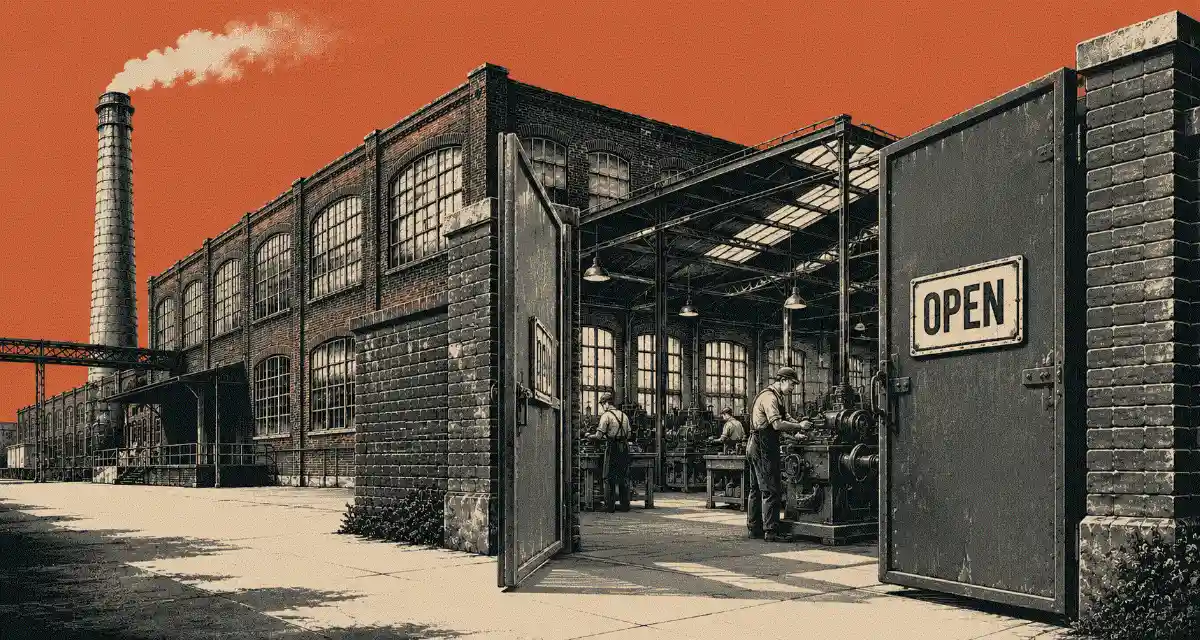
When Does a Sylius 2 Upgrade Make Sense?
If the scenarios above do not apply to your organization, an upgrade may be the natural next step.
The team wants to keep developing the platform in the PHP and Symfony ecosystem
This is one of the most important factors. If the organization still builds its capabilities around PHP and Symfony, Sylius remains a natural choice. The upgrade enables the team to use current versions of PHP, Symfony and libraries from the broader ecosystem – we covered what exactly changes in the stack when we launched the hub.
Sylius still fits the business requirements well
If the platform has successfully supported the company’s growth over the past years, handled the required processes and enabled the business to deliver on its needs, this is a strong argument for continuing in the same direction.
A migration makes the most sense when the problem is the technology version, not the platform choice itself.
Read: 5 scenarios where Sylius outperforms off-the-shelf e-commerce platforms.
The scale of the business justifies the investment
Every upgrade has a cost. That is why it should be assessed not only from a technical perspective, but also from a business one. The greater the platform’s role in generating revenue and supporting business processes, the easier it is to justify further investment in its development.
AI is changing how software maintenance costs are evaluated
The development of AI development, spec-driven development and AI-assisted engineering may change how organizations calculate the maintenance cost of flexible e-commerce platforms.
A custom or heavily customized solution still requires a team, technical expertise and responsibility for platform evolution. At the same time, AI-assisted tools may make maintaining such a system less expensive in the coming months than it has been so far.
In this context, Sylius flexibility may become a real competitive advantage. If a company needs an e-commerce platform that can be adapted to its own business model, upgrading to Sylius 2 may be a better direction than moving to a closed SaaS solution.
Sylius 2 upgrade. A Simple Decision Framework
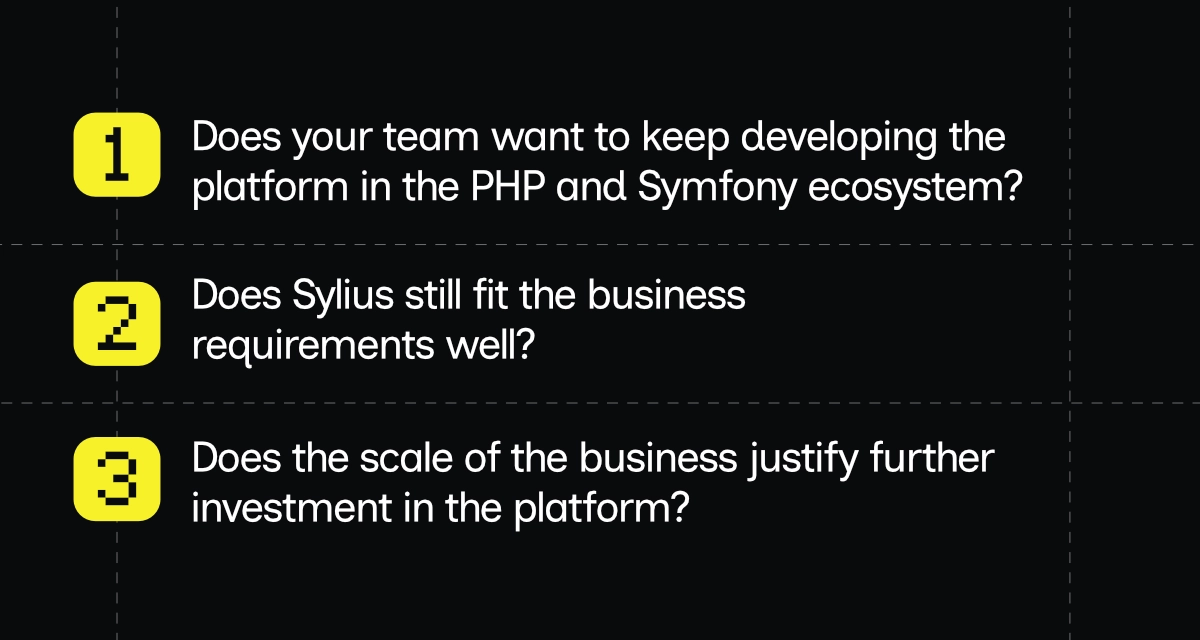
If you are wondering whether upgrading to Sylius 2 makes sense, answer three questions:
If the answer to all three questions is yes, upgrading to Sylius 2 is a natural direction. The next step is to work through the readiness checklist and establish what needs to be prepared before you start.
If the answer to any of them is no, it is worth analyzing other scenarios as well.
Check Your Upgrade Readiness in Our Sylius 2 Hub
The decision to migrate to Sylius 2 should be based on concrete data: the project version, plugin compatibility, customization scope, storefront condition, API, state machine and team capabilities.
That is why we have prepared: Upgrade to Sylius 2 Hub.
Inside, you will find:
key differences,
an upgrade readiness checklist,
the Plugin Compatibility Radar,
educational resources covering migration from Sylius 1 to Sylius 2.
This is the best starting point if you want to assess whether upgrading to Sylius 2 is the right decision for your project.
FAQ – Is It Worth Upgrading to Sylius 2?
Should every Sylius 1 store upgrade to Sylius 2?
No. It is worth assessing the business strategy, team capabilities and total cost of platform ownership first.
Can Shopify be an alternative to Sylius?
In some scenarios, yes. Especially if the business uses only a limited part of the platform’s functionality and does not require a high level of customization.
Is maintaining a private Sylius 1 fork a good idea?
It can be a short-term solution, but it is usually not the best long-term strategy.
Does upgrading to Sylius 2 require rebuilding the entire platform?
Not always. The migration scope depends on the project version, number of customizations, plugins and integrations in use.
Where should you start when assessing migration readiness?
The best starting point is an audit of the current project, followed by the first step of the checklist. You can check plugin compatibility in the Plugin Compatibility Radar.